From Founder
Social Media
Our Story
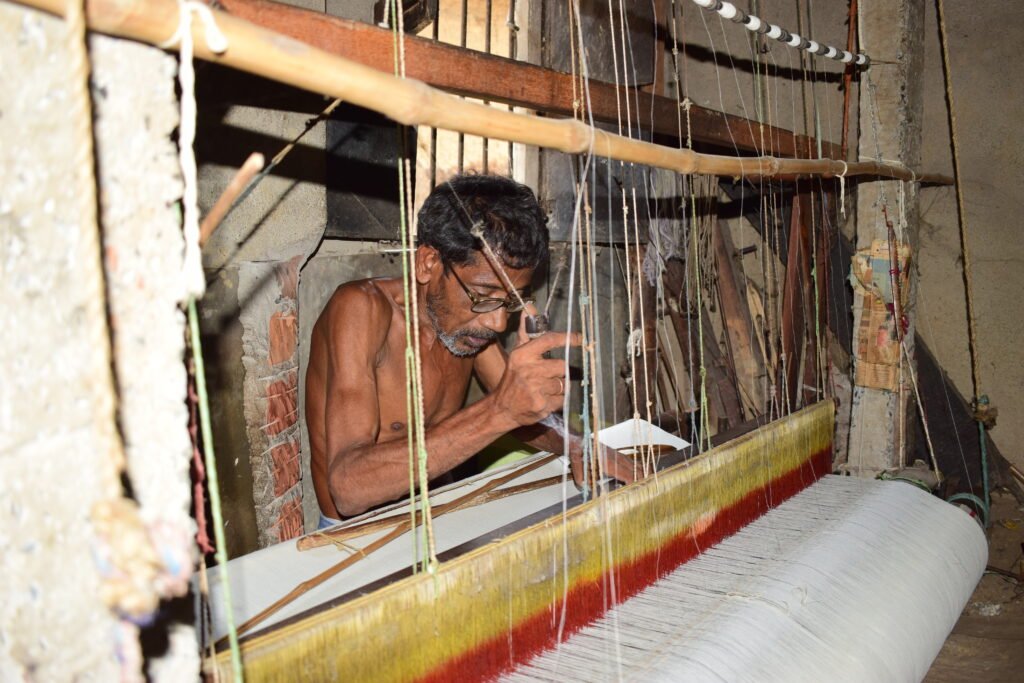
Driven by passion and creativity, he began designing new patterns without any formal training. As the business grew, two of his three sons joined him, bringing fresh energy and vision. Today, we have expanded across India and three other countries, with over 100 skilled weavers crafting exquisite fabrics. Additionally, women in our community are engaged in winding activities, empowering them with financial independence.
From a humble beginning to a thriving enterprise, our journey continues with the same dedication to craftsmanship, tradition, and empowerment.erdum.
Handloom Fabric
1. Introduction to Handloom Fabrics
Handloom fabrics represent a rich heritage deeply rooted in culture and tradition. Crafted meticulously by skilled artisans, these textiles are an embodiment of artistry and craftsmanship. The process involves intricate techniques that have been passed down through generations, reflecting the spirit of the maker and the community.
2. Characteristics of Handloom Fabrics
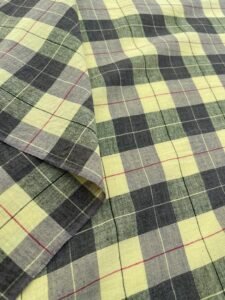
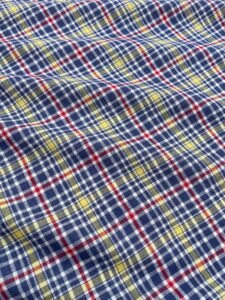
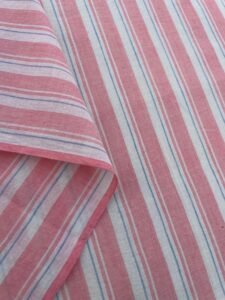
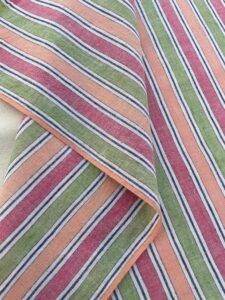
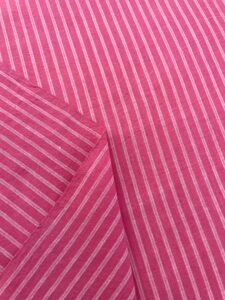
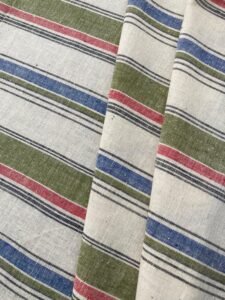
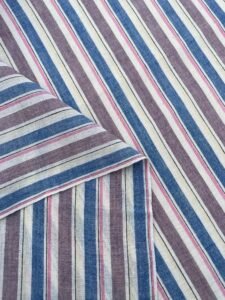
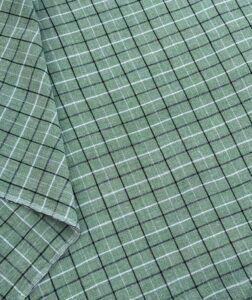
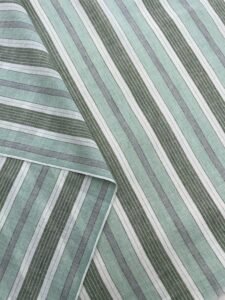
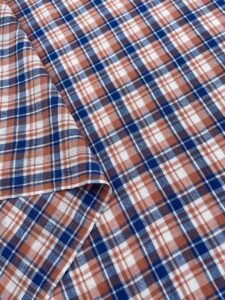
One of the defining features of handloom fabrics is their uniqueness. Each piece is different, offering one-of-a-kind irregularities that machine-made textiles cannot replicate. This authenticity is coupled with exceptional quality, as natural fibers such as cotton, silk, and wool are often used, making them not only aesthetic but durable as well. Furthermore, handloom fabrics come in a variety of weaves and colors, showcasing the rich diversity of regional styles.
3. Preserving a Cultural Legacy
Support for handloom fabrics is essential in preserving the cultural legacy they embody. By choosing handloom textiles, consumers not only contribute to the livelihood of artisans but also help sustain traditional techniques that risk fading in the face of industrialization. Today, there is a growing appreciation for these fabrics, which are celebrated in fashion, home decor, and crafts, highlighting their versatility and charm.
4. Sustainability and Eco-Conscious Appeal
Handloom fabrics align perfectly with the principles of sustainable living. Unlike power looms or textile mills that consume significant electricity and water, handloom weaving is a low-energy process with minimal environmental impact. The use of biodegradable fibers and natural dyes further enhances their eco-conscious appeal. Many conscious consumers today prefer handloom clothing as it promotes a greener lifestyle and reduces the carbon footprint associated with fast fashion.
5. Economic Empowerment of Rural Communities
The handloom sector plays a critical role in empowering rural communities across India. It provides employment to millions of weavers and craftspeople, particularly women, enabling them to gain financial independence. Many handloom cooperatives and self-help groups have flourished, supporting artisan families while ensuring fair trade practices. By choosing handloom, consumers directly support rural economies and promote inclusive growth.
Follow Us @greenbengalhandloom